
Step 3 — Pulse method
Pick up a melody on your instrument: turn listening into playing
From voice to instrument
Listen closely to the melody before looking for notes.
Sing the phrase to hear its direction and rhythm.
The body → The voice → The instrument
Look for one note at a time, without rushing.
Play the phrase again and compare it with what you hear.
Listen closely to the melody before looking for notes.
Sing the phrase to hear its direction and rhythm.
Play the phrase again and compare it with what you hear.
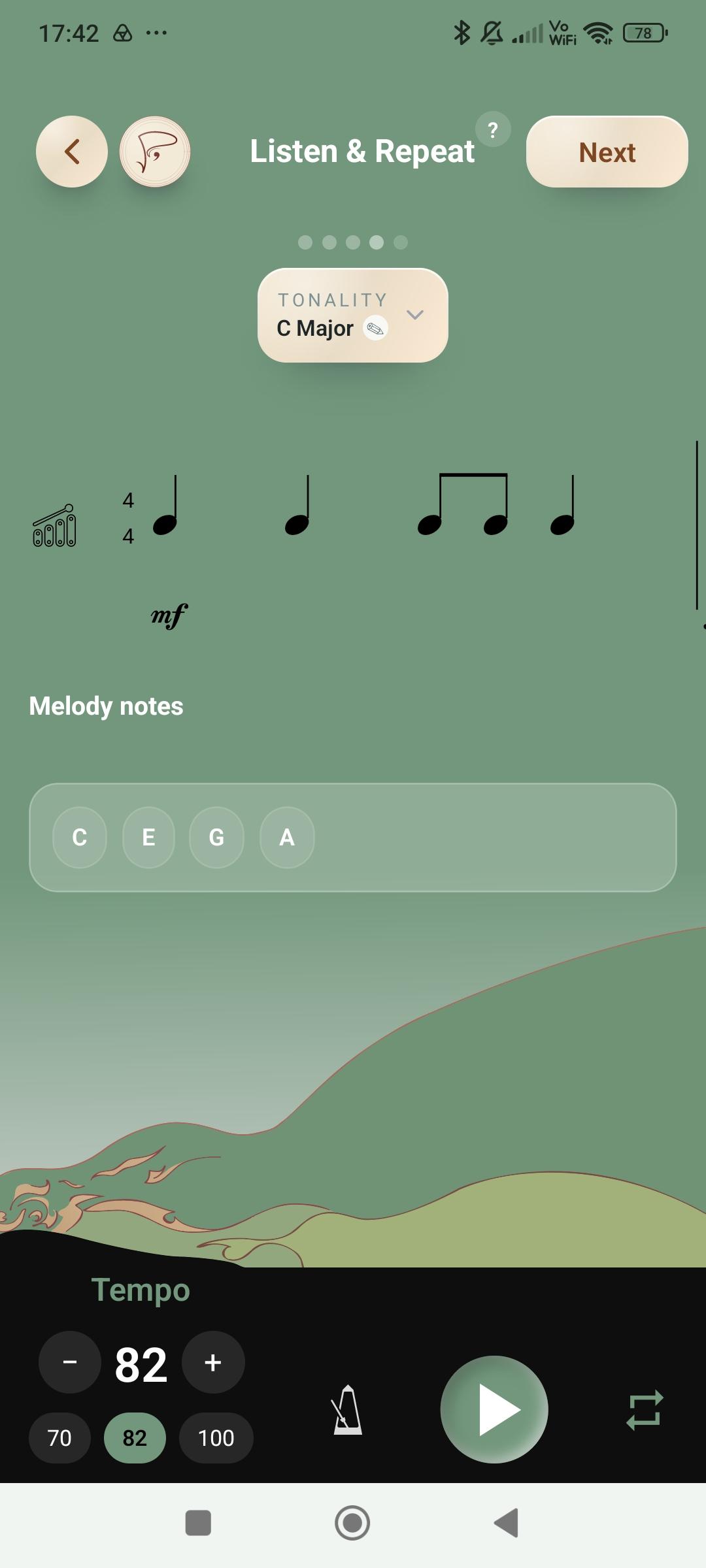
On mobile, use the Download link for a direct store redirect.
Why pick up a melody by ear?
Play what you hear
Listen closely to the melody before looking for notes.
Sing the phrase to hear its direction and rhythm.
I listen → I understand → I search → I play.
Look for one note at a time, without rushing.
Play the phrase again and compare it with what you hear.
- hear a phrase, remember it, and find it on your instrument
- Listen closely to the melody before looking for notes.
- Sing the phrase to hear its direction and rhythm.
- Look for one note at a time, without rushing.
- Play the phrase again and compare it with what you hear.
A skill that extends to all music
Listen closely to the melody before looking for notes.
Sing the phrase to hear its direction and rhythm.
Look for one note at a time, without rushing.
Play the phrase again and compare it with what you hear.
- hear a phrase, remember it, and find it on your instrument
- Listen closely to the melody before looking for notes.
- Look for one note at a time, without rushing.
- Play the phrase again and compare it with what you hear.
First exercise: find a melody
Work in small phrases
Listen closely to the melody before looking for notes.
Sing the phrase to hear its direction and rhythm.
Look for one note at a time, without rushing.
- Listen closely to the melody before looking for notes.
- Sing the phrase to hear its direction and rhythm.
- Look for one note at a time, without rushing.
- Play the phrase again and compare it with what you hear.
- Play the phrase again and compare it with what you hear.
Play the phrase again and compare it with what you hear.
What playing by ear helps you understand
Listen closely to the melody before looking for notes.
Sing the phrase to hear its direction and rhythm.
The role of accompaniment
Listen closely to the melody before looking for notes.
Play the phrase again and compare it with what you hear.
- Listen closely to the melody before looking for notes.
- Sing the phrase to hear its direction and rhythm.
- Look for one note at a time, without rushing.
- Play the phrase again and compare it with what you hear.
Look for one note at a time, without rushing.
Notation as a reference
Listen closely to the melody before looking for notes.
Sing the phrase to hear its direction and rhythm.
Look for one note at a time, without rushing.
Play the phrase again and compare it with what you hear.
- one note
- a short phrase
Listen closely to the melody before looking for notes.
- one note
- a short phrase
- a bar
Play the phrase again and compare it with what you hear.
Search within a small group of notes
Look for one note at a time, without rushing.
Listen closely to the melody before looking for notes.
C - D - E
Sing the phrase to hear its direction and rhythm.
- one note
- a short phrase
- a bar
Play the phrase again and compare it with what you hear.
When you do not find it straight away
Listen closely to the melody before looking for notes.
Look for one note at a time, without rushing.
- one note
- a short phrase
- a bar
Sing the phrase to hear its direction and rhythm.
Play the phrase again and compare it with what you hear.
- hear a phrase, remember it, and find it on your instrument
- Listen closely to the melody before looking for notes.
- Look for one note at a time, without rushing.
- Play the phrase again and compare it with what you hear.
Listen closely to the melody before looking for notes.
The body remains a valuable aid
Listen closely to the melody before looking for notes.
Sing the phrase to hear its direction and rhythm.
Look for one note at a time, without rushing.
- Listen closely to the melody before looking for notes.
- Sing the phrase to hear its direction and rhythm.
- Play the phrase again and compare it with what you hear.
Play the phrase again and compare it with what you hear.
Listen closely to the melody before looking for notes.
Sing the phrase to hear its direction and rhythm.
Second exercise: create variations
Transform a familiar phrase
Listen closely to the melody before looking for notes.
Sing the phrase to hear its direction and rhythm.
Look for one note at a time, without rushing.
Play the phrase again and compare it with what you hear.
- hear a phrase, remember it, and find it on your instrument
- Listen closely to the melody before looking for notes.
- Look for one note at a time, without rushing.
- Play the phrase again and compare it with what you hear.
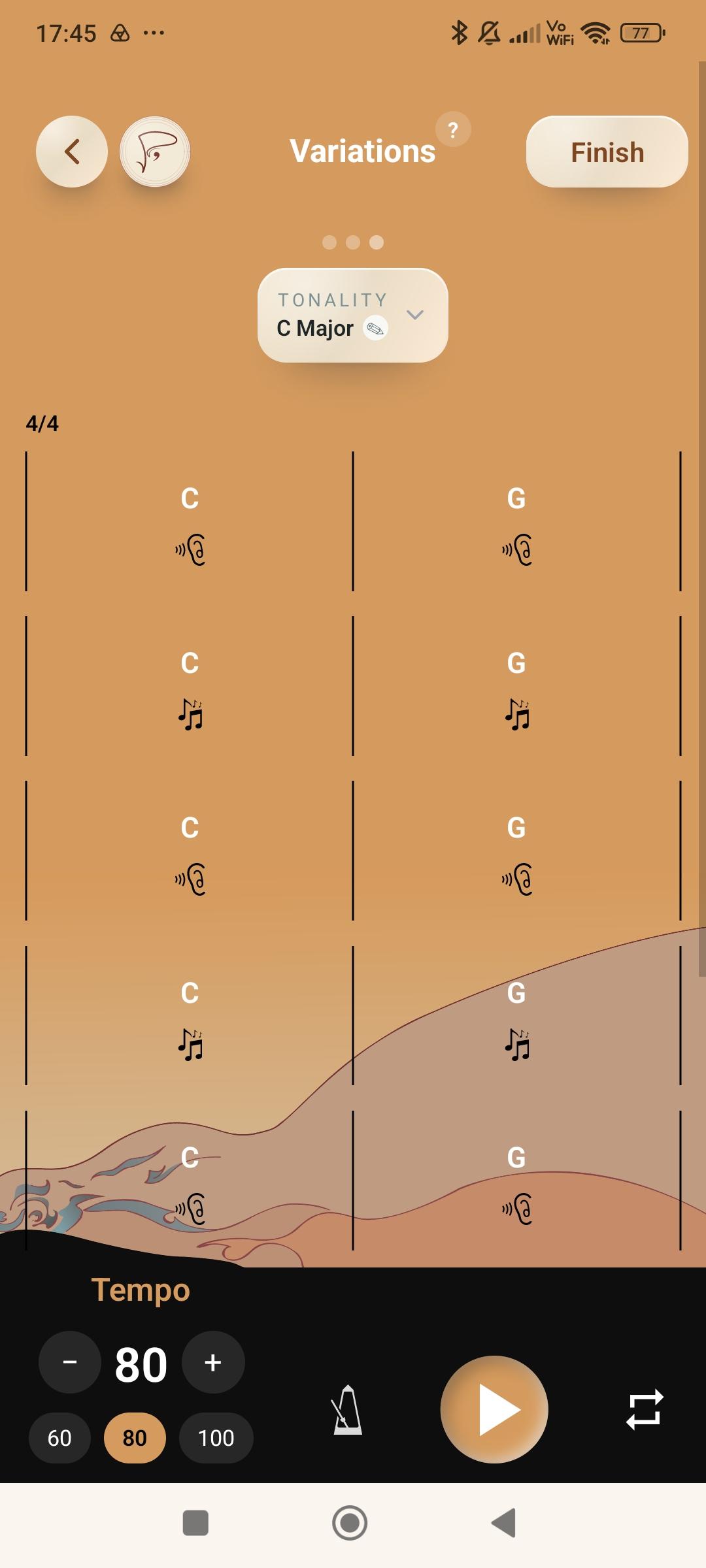
The principle: listen, then answer
Listen closely to the melody before looking for notes.
Sing the phrase to hear its direction and rhythm.
| Bar | Action |
|---|---|
| 1 | Listen closely to the melody before looking for notes. |
| 2 | Sing the phrase to hear its direction and rhythm. |
| 3 | Look for one note at a time, without rushing. |
| 4 | Play the phrase again and compare it with what you hear. |
| 5 | Listen closely to the melody before looking for notes. |
| 6 | Play the phrase again and compare it with what you hear. |
Look for one note at a time, without rushing.
Play the phrase again and compare it with what you hear.
Hear the chords behind the melody
Listen closely to the melody before looking for notes.
Sing the phrase to hear its direction and rhythm.
Look for one note at a time, without rushing.
Play the phrase again and compare it with what you hear.
- hear a phrase, remember it, and find it on your instrument
- Listen closely to the melody before looking for notes.
- Play the phrase again and compare it with what you hear.
Sing the phrase to hear its direction and rhythm.
Tips for improving
Listen closely to the melody before looking for notes.
- Listen closely to the melody before looking for notes.
- Sing the phrase to hear its direction and rhythm.
- Look for one note at a time, without rushing.
- Play the phrase again and compare it with what you hear.
- hear a phrase, remember it, and find it on your instrument
- Download Pulse to train your ear and pick up melodies directly on your instrument.
Play the phrase again and compare it with what you hear.
What playing by ear prepares
Listen closely to the melody before looking for notes.
Sing the phrase to hear its direction and rhythm.
- hear a phrase, remember it, and find it on your instrument
- Look for one note at a time, without rushing.
- Play the phrase again and compare it with what you hear.
Play the phrase again and compare it with what you hear.
Improvising
Play the phrase again and compare it with what you hear.
Playing with others
Listen closely to the melody before looking for notes.
Learning faster
hear a phrase, remember it, and find it on your instrument
What this practice develops
Listen closely to the melody before looking for notes.
Sing the phrase to hear its direction and rhythm.
- hear a phrase, remember it, and find it on your instrument
- Listen closely to the melody before looking for notes.
- Sing the phrase to hear its direction and rhythm.
- Look for one note at a time, without rushing.
- Play the phrase again and compare it with what you hear.
- Download Pulse to train your ear and pick up melodies directly on your instrument.
Look for one note at a time, without rushing.
Play the phrase again and compare it with what you hear.